
The first project pays for learning
If you need to buy a saw, drill, clamps, finish, fasteners, and sandpaper, your first DIY table may cost more than a budget store table. That does not mean DIY is a bad deal. It means the first project includes startup cost.
The second and third builds are where the math improves. Tools get reused, leftover screws and finish carry forward, and your mistakes get cheaper.
Where DIY wins
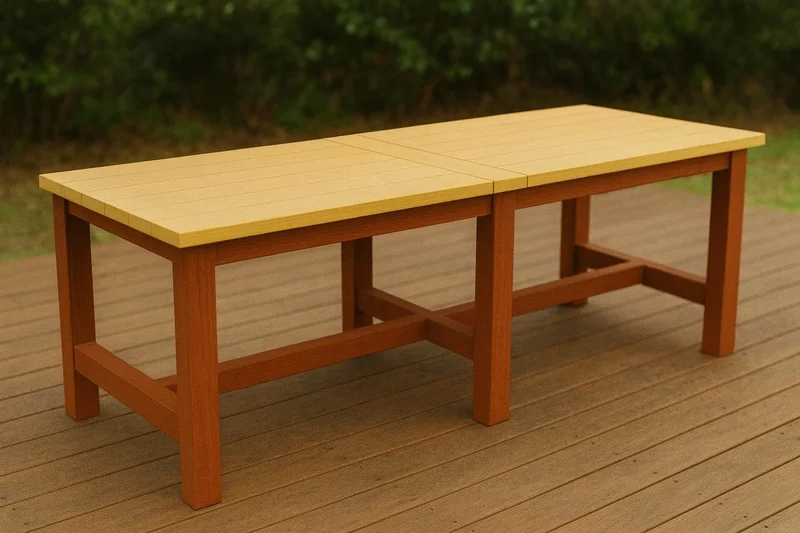
DIY wins when the store version is expensive, poorly sized, or made from materials you do not like. Outdoor tables, custom shelves, dog houses, planter boxes, and built-ins often make sense because dimensions matter.
A custom shelf that perfectly fits a wall can be more valuable than a cheaper shelf that almost fits.
Where buying wins
Buying often wins for chairs, upholstered furniture, complex drawers, and anything with tight ergonomics or safety requirements. Factories are very good at repeatable precision.
If you only need the cheapest possible item and do not care about fit, buying used is usually the cost winner.
How to estimate the real cost
Price the lumber, fasteners, finish, and delivery or store trip. Add a small waste allowance, especially if you are new. Then ask whether the project requires a tool you will use again.
A cut list helps here because it turns a vague plan into a shopping list. Guessing lumber at the store is how small projects become expensive.
Keep building
Turn your idea into a build plan
Describe the piece you want or add a photo, and Fixie designs it with a 3D preview, cut list, materials, and step-by-step instructions. Your first design is free.
Download Fixie on the App Store